Bar With Private Room Inspiration for Bachelor and Bachelorette Parties
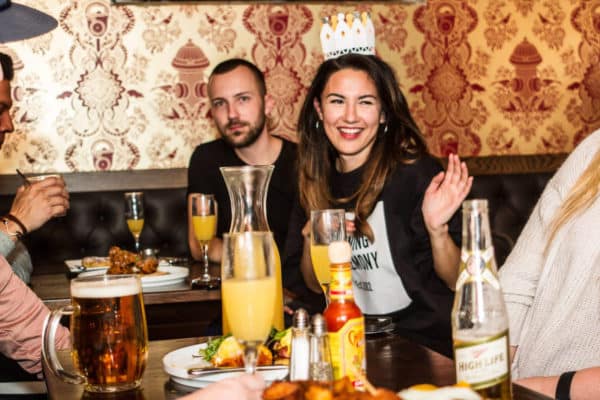
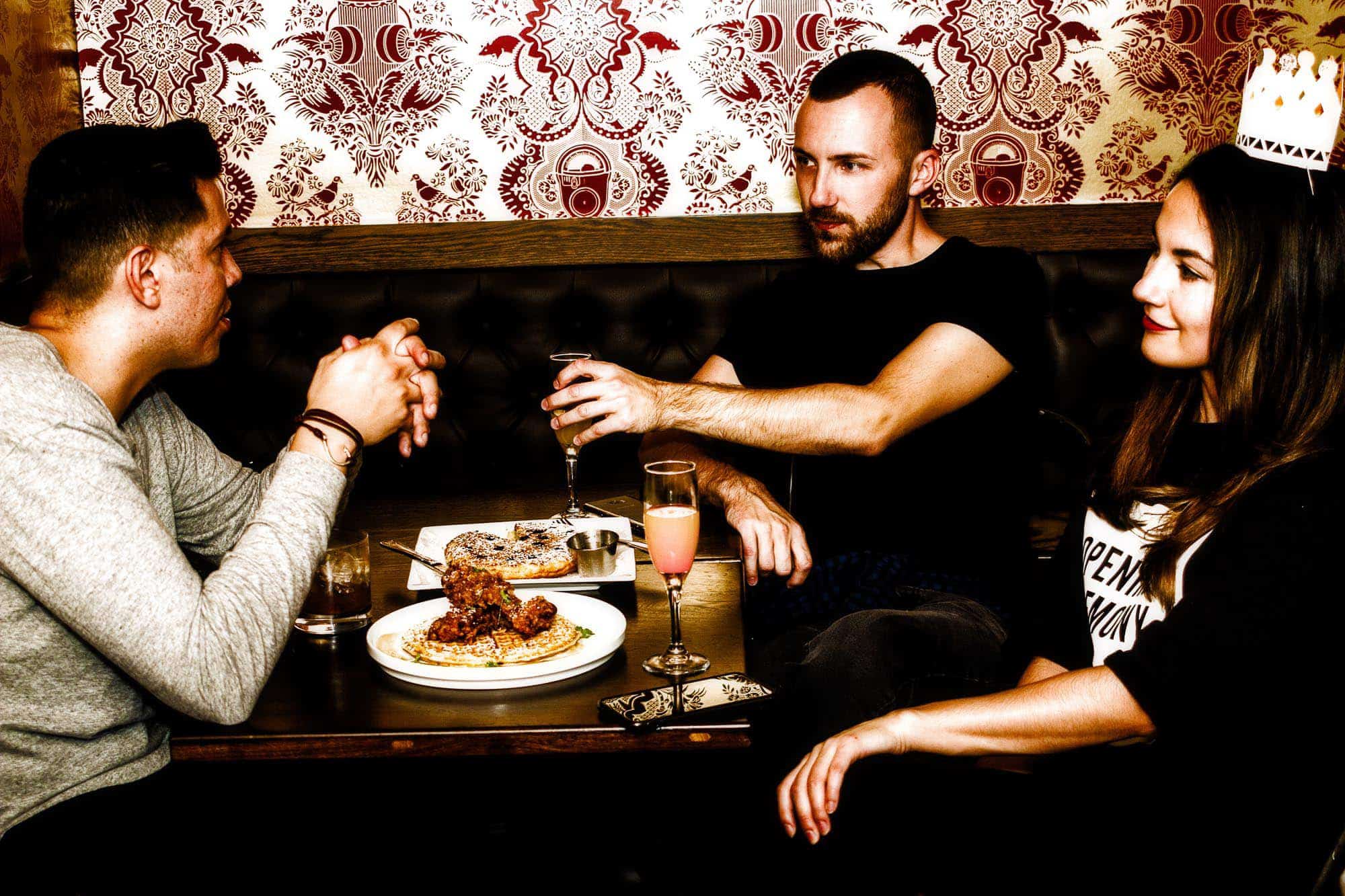
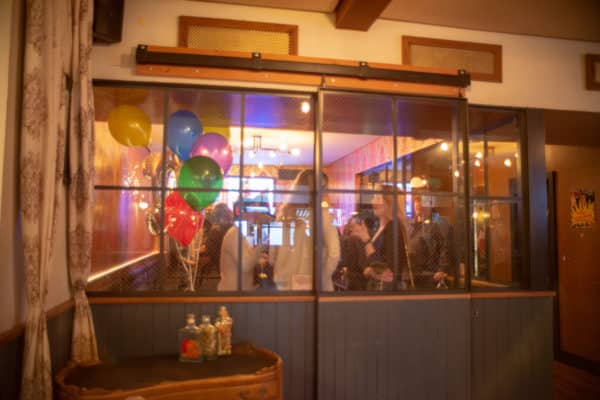
A bachelor or bachelorette party can go sideways fast when the setting works against the group. Too much noise, nowhere to sit, strangers pressing into every conversation, a bartender who cannot keep up, a guest list split between people who want to dance and people who want to talk. That is usually the moment people realize the venue mattered more than the decorations.
A bar with private room solves a surprising number of those problems at once. It gives the group a home base, which is often the difference between a night that feels scattered and a night that feels intentional. You still get the energy of a bar, the cocktails, the music, the sense of occasion, but you also gain control. That control matters for parties with mixed ages, mixed budgets, or mixed comfort levels, which is nearly every bachelor and bachelorette party I have seen planned well.
The appeal is not just privacy. It is flexibility. A private room can support a polished whiskey tasting, a rowdy karaoke session, a low-key wine night before a bigger club stop, or a full dinner-and-drinks celebration where nobody has to herd the group from place to place. If you are trying to plan something memorable without making it exhausting, this format deserves a close look.
Why private rooms work better than people expect
A lot of group planners assume a private room sounds formal or expensive. Sometimes it is. Just as often, it is the smartest way to avoid hidden costs and avoidable stress. When a group of 12 to 25 people tries to operate in a regular public bar area, the friction starts immediately. Tabs get lost. Seating becomes competitive. One half of the party cannot hear the toast. The guest of honor keeps getting separated from the people who came specifically to celebrate them.
With a private room, the evening gets a center of gravity. Guests arrive at different times without panic because they know where to go. Gifts, games, jackets, and phones have a place. You can decorate lightly without feeling ridiculous. You can bring in a playlist if the venue allows it, or at least enjoy a room where the music level suits your crowd.
There is also a social benefit people underestimate. Not everyone at a bachelor or bachelorette party wants the same pace. Some guests want to do shots and tell stories at full volume. Others want a cocktail and an actual conversation with the bride, groom, or partner being celebrated. A private room lets both personalities coexist. The extroverts can create energy, and the quieter guests do not have to fight the room all night.
I once watched a bachelorette group recover an otherwise shaky night simply because they had booked a semi-private lounge attached to a cocktail bar. The original plan had been more ambitious, three stops, a late dinner, then dancing. Dinner ran long, traffic got ugly, and half the group was tired by 10 p.m. Because they had a reserved room waiting, they skipped the venue-hopping, settled in with one excellent round after another, and ended up having the kind of evening people actually remember: speeches, photos, a custom drink menu, and enough privacy for the embarrassing stories to come out.
Matching the room to the party, not the trend
The best private room is not always the flashiest one. It is the one that fits the group’s behavior. A bachelor party with eight close friends can thrive in a dark, compact whiskey room with leather banquettes and a serious back bar. A bachelorette group of 20 that wants photo moments, music, and room to move may need something brighter, more open, and a little less precious.
That difference matters because bars market private spaces in broad terms. “Intimate.” “Exclusive.” “Flexible.” Those words can describe very different realities. In practice, you need to think about movement, sound, and service. Is the room truly separate, or just partitioned? Can people circulate, or will half the party be trapped in chairs? Does the room have its own bartender or server, https://anotepad.com/notes/wxga7tpy or are you still dependent on the main bar staff fighting through a packed Saturday crowd?
Style should follow the event’s real personality. If the guest of honor loves dive bars, a polished hotel lounge may photograph well but feel wrong. If they care about food as much as drinks, a private dining room inside a lively bar-driven restaurant may work better than a nightclub-adjacent space. The point is not to impress the internet. It is to create a setting that feels like an elevated version of a night they would genuinely enjoy.
Atmosphere ideas that actually translate into a great night
A bar with private room opens the door to more specific experiences than most people realize. The strongest party themes usually grow from the room itself rather than competing with it.
A speakeasy-style room creates instant mood without much effort. Low light, classic cocktails, and a small menu of elevated snacks can make the evening feel cinematic. This format works especially well for groups in their late twenties and up, or for a mixed-age crowd that wants sophistication without stiffness. It also gives the best friend or sibling planning the party an easy lane for toasts, since people can actually hear them.
For groups that want more energy, a private karaoke room inside a bar can be ideal. It is active without requiring everyone to commit to a dance floor, and it removes the pressure that public karaoke sometimes brings. Even guests who swore they would never sing often cave after two rounds when the audience is only friends. This setup is especially useful when the group includes people who do not know each other well, because shared embarrassment is still one of the fastest forms of bonding.
Rooftop private rooms offer a different kind of appeal. They tend to work best in shoulder seasons or climates where weather is reliable enough to trust. The view does a lot of the heavy lifting. You do not need much programming beyond a strong cocktail list, some sparkling wine, and a playlist with enough familiarity to keep the energy up. The trade-off is practical: rooftop spaces often come with firmer minimum spends, stricter timing, and less forgiveness if the weather turns.
Sports-bar private rooms are easy to dismiss, but they can be excellent for a low-pressure bachelor party, especially if the guest of honor genuinely loves the atmosphere. Add upgraded food, reserved screens, and a few custom details, such as branded cups or a trivia round based on the groom’s life, and it can feel far more personal than a generic upscale venue.
Then there are hybrid spaces, bar lounges attached to game rooms, bowling, darts, or golf simulators. These are strong options for groups that get restless if the evening is only sitting and drinking. They also help when the friend group spans several circles, college friends, siblings, coworkers, cousins, because the activity gives people an easy conversational bridge.
What to ask before you book
Private event pages tend to make everything sound seamless. The reality lives in the details. A beautiful room with weak service or awkward policies can drag down the entire night.
Ask directly about the food and beverage minimum, and ask what counts toward it. Sometimes tax and gratuity are excluded, which changes the math considerably. Ask whether the room fee is separate or waived once the minimum is met. Clarify the time block and whether setup time is included. I have seen planners lose half an hour of decorating or welcome time because the contract started at 8 but access to the room also started at 8.
Sound is another issue. If you want speeches, games, or a playlist, ask whether there is a dedicated speaker, microphone, or TV hookup. If you are bringing a cake, ask about plating fees. If you want a signature drink, ask whether the staff can batch it or put it on a small printed menu. Those details sound minor until the night arrives and the bar is too slammed to improvise.
The most useful questions are often the least glamorous:
- Is the room fully private, semi-private, or curtained off from the main bar?
- How many guests fit comfortably seated and standing, not just by fire code?
- Will there be a dedicated server or bartender for the group?
- Can separate checks be accommodated, or is one host tab required?
- What happens if the guest count changes in the final 48 hours?
That last question matters. Bachelor and bachelorette parties are famous for late dropouts, surprise add-ons, and travel disruptions. A venue that handles head-count adjustments with common sense is worth more than one extra design feature.
Budgeting without draining the fun out of it
A private room can absolutely fit a range of budgets, but only if the planner is honest early. The biggest mistake is pretending everyone is comfortable with a luxury spend, then trying to reverse-engineer a cheaper night after commitments have already been made.
A better approach is to build the experience around one premium element and keep the rest practical. Maybe that premium element is the room itself. Maybe it is a top-shelf tasting flight, a custom cocktail menu, or a late-night food package. Guests usually remember the one polished touch far more than they remember whether every detail was expensive.
Minimum spends can sometimes work in your favor. If a room requires a $1,500 spend for 15 people, that may sound steep until you break it down. If the group was already planning to order cocktails, snacks, and maybe champagne, the number can be more manageable than expected. Where people get burned is on the extras, service fees, upgraded glassware, tax, décor restrictions that force last-minute purchases, or a prepaid package that includes items nobody actually wants.
This is also where a bar with private room often beats bottle-service nightlife. Bottle service can look glamorous on paper but quickly turns into a very expensive way to have less comfort and less conversation. For many groups, especially those who want a celebration that lasts more than 90 loud minutes, the private-room model offers better value.
Making the night feel personal without making it cheesy
There is a fine line between thoughtful and overproduced. The best party details feel woven into the evening rather than dropped on top of it. You do not need matching outfits, giant props, and five rounds of games unless that genuinely suits the group.
Personalization works best in smaller, specific gestures. A named cocktail after an inside joke. Coasters printed with photos from different life eras. A dessert or snack tied to the guest of honor’s favorite place. A short toast schedule so the sentimental part happens before everyone gets too scattered. If the venue allows screen use, a looping photo slideshow can add warmth without demanding attention.
For bachelorette parties, people often default to one-note décor. There is nothing wrong with playful details, but a room usually looks better when the styling is restrained. Fresh florals, candlelight where permitted, menu cards, and one or two color anchors often feel more elevated than a pile of novelty items. For bachelor parties, the opposite problem shows up. Planners skip all styling because they do not want it to feel forced. Even simple details, custom napkins, a framed photo at the entrance, a private whiskey flight menu, can sharpen the whole event.
A good room gives you enough built-in atmosphere that you only need accents. Let the venue carry some of the visual weight.
Handling mixed personalities and mixed expectations
Every bachelor or bachelorette party has internal politics. Someone wants a big night out. Someone else is pregnant, sober, recovering from travel, or simply not interested in yelling over a DJ. A private room is one of the few setups that can hold all of that gracefully.
This matters even more when the group includes people meeting for the first time. The bridal party may know one another, but siblings, cousins, coworkers, and college friends often do not. In a public venue, they splinter. In a private room, they are more likely to share rounds, swap stories, and participate in whatever moments develop naturally.
A skilled planner also thinks about physical comfort. If guests will be in heels, make sure there is enough seating. If there are older relatives joining for the first part of the night, choose a room where they can hear and exit easily. If several guests are not drinking, make sure the venue can offer strong nonalcoholic options. Nothing kills the vibe faster than treating non-drinkers like an afterthought while everyone else gets elegant cocktails.
That is one of the strongest reasons to choose a serious bar program instead of a generic event space. Good bars now understand that zero-proof drinks should still feel celebratory. A well-made bitter spritz or spirit-free sour in proper glassware lets everyone feel included.
Timing the evening so it has momentum
The room itself is only half the equation. The flow of the night matters just as much. Some of the best bachelor and bachelorette parties use the private room as the anchor, not the entire itinerary. Guests gather there, settle in, eat, toast, and then either stay because the energy is right or move on to one final stop.
That model works because it reduces the risk of early chaos. If someone’s train is late or makeup ran long or the rideshare surge gets ugly, the event still holds together. The room absorbs delays. It is far easier to recover from schedule slippage when your group has a defined destination.
One practical structure works especially well. Start with 30 to 45 minutes of arrivals and the first round. Follow with food while everyone is still coherent. Bring in speeches or a game before the room peaks in volume. After that, let the night loosen. If you are heading elsewhere later, set the departure moment clearly enough that people can decide whether to continue or call it a win.
Common mistakes that make a private room feel less special
The venue does not need to be perfect, but a few planning errors tend to cause disproportionate damage.
- Booking for maximum capacity instead of comfortable capacity
- Leaving all ordering to the moment instead of pre-selecting at least some food and drink
- Overloading the schedule with games, speeches, and surprise activities
- Ignoring service logistics, especially one-tab versus split-tab policies
- Choosing a room that looks good online but clashes with the guest of honor’s real taste
Comfort is a major one. A room that technically fits 20 may feel miserable with 20 once coats, gift bags, and servers start moving through. The best events usually leave a little breathing room. The same logic applies to menus. If every cocktail and appetizer decision has to be made live by a hungry, distracted group, service slows and frustration rises. A partial pre-order can rescue the pace.
Too much programming is another trap. The point of a private room is not to create a mandatory agenda. It is to create space where the group can relax into the celebration. If every 15 minutes brings another planned activity, the night starts to feel like work.
When a semi-private space is the smarter call
Not every party needs full enclosure. Sometimes a semi-private section inside a strong bar is the better fit. If the group wants to feel the buzz of the larger venue, or if the budget does not support a fully closed room, a raised lounge area or partitioned alcove can still provide enough identity.
This tends to work best for smaller groups, usually eight to twelve people, especially if the venue can guarantee seating and a service plan. The energy stays connected to the main room, which some groups prefer. The downside is obvious: less control over noise, privacy, and foot traffic. If speeches or intimate moments matter, go fully private. If the night is more about cocktails, movement, and a lively scene, semi-private can be plenty.
There is also the matter of personality. Some guests of honor feel awkward being tucked away from the action. They want to celebrate with visibility. For them, a semi-private arrangement can hit the sweet spot, special without feeling sealed off.
The details guests remember the next day
Nobody wakes up talking about square footage or drape color. They remember whether the room felt easy. They remember the first drink arriving quickly, the snack they did not expect, the toast that landed, the song that turned the room into a chorus, the moment the shy cousin became the karaoke star, the relief of having somewhere to sit and laugh without competing with strangers.
That is what makes a bar with private room such a useful format for bachelor and bachelorette parties. It supports both polish and spontaneity. It can be dressed up or kept loose. It accommodates people who want glamour, people who want comfort, and people who just want a good drink and a better story.
If you choose carefully, the room does not become a backdrop. It becomes the engine of the night, the place where the group finally settles in, drops the logistical tension, and gives the guest of honor what they actually came for: real celebration, with enough style to mark the occasion and enough privacy to make it feel like their own.
The Winslow
Address: 243 E 14th St, New York, NY 10003
Phone number: +12127777717
FAQ About Bar With Private Room
Which bars in NYC offer private rooms?
Many bars in New York City offer private and semi-private rooms for parties and events, ranging from hidden basement speakeasies to upscale lounge spaces. Top options include The Back Room on the Lower East Side, Dear Irving Gramercy, Pebble Bar in Midtown, Mister Paradise in the East Village, and The Winslow in the East Village.
What is a private room in a pub called?
A small, private seating area or partitioned booth in a traditional pub is most commonly called a snug. Larger private rooms used for events, parties, or dining are typically referred to as private dining rooms, function rooms, or back rooms.
How much does a 2 hour open bar cost?
A 2-hour open bar generally costs between $15 and $45 per person, depending heavily on the quality of alcohol you choose. For a standard group of 100 guests, this translates to an overall cost of $1,500 to $4,500 before taxes, setups, and staff gratuities.