Irish Pub NYC: A Classic Choice for Every Celebration
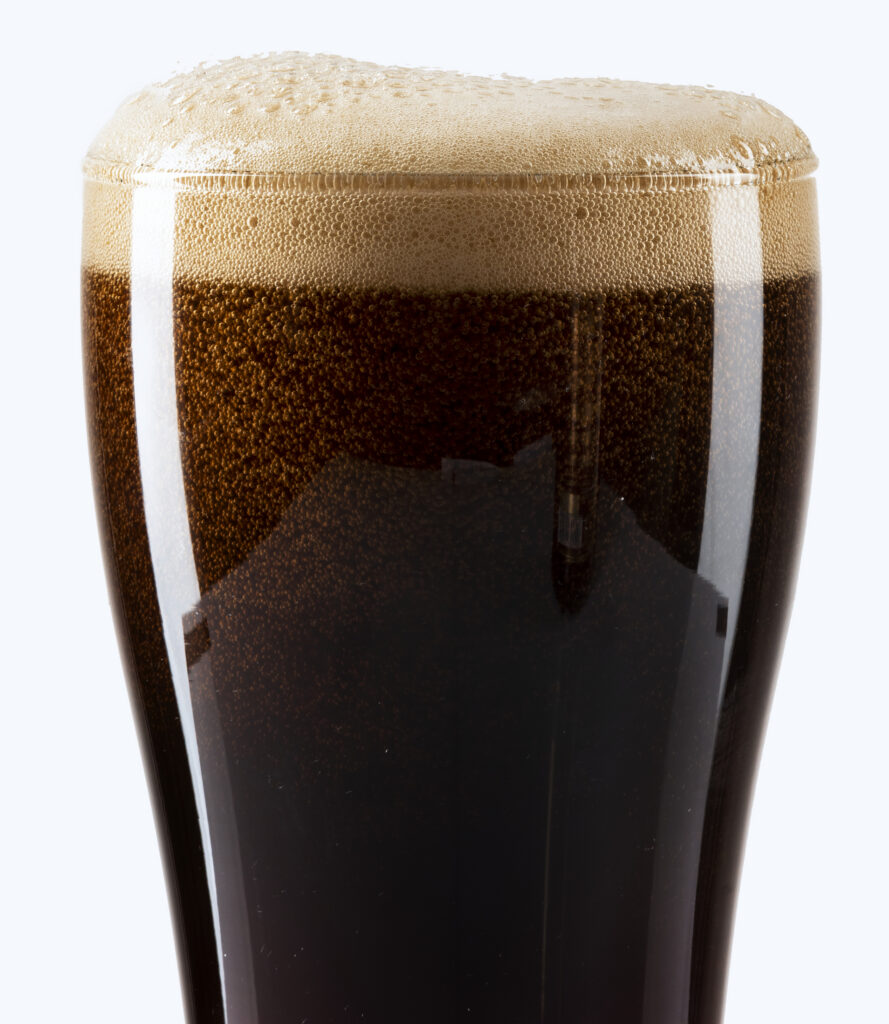

New York gives people almost too many ways to celebrate. A birthday can turn into a rooftop reservation in Chelsea, a rehearsal dinner can become a private room downtown, and a casual after-work drink can somehow end at midnight with an impromptu toast. The city is rich with options, but that abundance can make simple decisions harder. When the goal is to gather people, feed them well, keep the mood warm, and let the evening unfold without strain, the classic Irish pub remains one of the smartest choices in the city.
That is especially true when people search for an Irish Pub NYC experience that feels both timeless and practical. A good Irish pub is not just a place to drink. It is one of the few venues that can handle different kinds of groups, different budgets, and different moods without feeling forced. It works for a spontaneous round after work, but it also works for milestone birthdays, engagement parties, retirements, alumni meetups, holiday gatherings, and family events where not everyone wants the same kind of night.
The reason is not mysterious. Irish pubs, at their best, are built around hospitality rather than spectacle. They invite people to settle in. They make room for conversation. They can carry a crowd without making every event feel like a performance. In a city that often pushes people toward whatever is newest, loudest, or hardest to book, that kind of reliability is worth more than it gets credit for.
Why the setting changes the entire celebration
People often focus on the guest list first, as they should, but the room itself shapes the energy long before the first toast. A celebration rises or falls on factors that seem small on paper. Can people hear one another? Is there enough seating for older relatives and enough standing room for the friends who circulate? Can the group order food easily? Will late arrivals feel awkward trying to find everyone? Does the place feel welcoming at 6 p.m. And still lively at 9?
An Irish pub answers these questions better than most formats. The layout tends to be forgiving. There is usually a natural mix of bar space, tables, and semi-private corners. That means the event can breathe. A tight group can stay together, while a larger gathering can spread out without breaking apart. In practice, that matters more than most hosts expect.
I have seen celebrations fail in technically beautiful venues because every person was pinned to a fixed seat and every conversation had to compete with music that belonged in a club. I have also seen modest parties feel memorable because the room encouraged people to relax. One long wooden bar, a few well-placed tables, a bartender who reads the room, and food that arrives hot and hearty can do more for a celebration than expensive design ever will.
The best pub rooms also age well over the course of the night. Early guests can order a pint and ease into the evening. As more people arrive, the room gains energy rather than chaos. If speeches happen, they do not feel theatrical. If no speeches happen, nobody notices their absence. That flexibility is part of the charm.
The appeal of warmth over trend
A lot of venues in New York sell novelty. There is a market for that, and at the right moment it can be fun. But novelty ages quickly. Celebrations usually call for something else, something with a steadier hand.
Irish pubs have a kind of built-in warmth that does not depend on current fashion. Dark wood, good lighting, mirrors, brass, framed photos, a worn but cared-for bar top, the low hum of conversation, and a staff that understands rhythm, all of it creates ease. The room does not ask guests to admire it. It asks them to enjoy themselves.
That distinction matters for mixed groups. If you are organizing a birthday for a friend group that includes coworkers, cousins, neighbors, and one or two people meeting everyone for the first time, you need neutral ground in the best sense of the phrase. You want a place with character but not attitude. An Irish pub often lands that balance better than trend-driven restaurants or nightlife spots.
There is also a practical side to warmth. Guests stay longer when they are comfortable. They order another round, maybe split dessert, maybe linger for one more story. https://edwinaurb141.brightsora.com/posts/the-charm-of-spending-a-weekend-at-an-irish-pub-in-nyc Celebrations become better when nobody feels rushed toward the exit or pressured to maintain a certain image. A pub gives people permission to be present.
Food matters more than hosts sometimes expect
Many people choose a venue based on drinks and atmosphere, then treat the menu like an afterthought. That is a mistake, especially in New York, where celebrations often begin after a full workday and include guests arriving from different boroughs on different schedules. People are hungry, even if they insist they are “fine.”
A proper Irish pub usually performs well here because it understands the value of substantial food. Even a compact menu tends to cover what a host needs. There are often comforting staples, sandwiches, burgers, salads, shared starters, and a few more traditional dishes. The point is not culinary theater. The point is that people can eat enough to stay happy and social.
This is one of the quiet advantages of choosing an Irish Pub NYC venue over a cocktail bar. At a cocktail-forward space, a guest who arrived from Midtown after skipping lunch may end up balancing a strong drink and a bowl of nuts. At a pub, that same guest can order a plate that anchors the evening. You will feel the difference within an hour.
Food also protects the host from a surprisingly common problem: uneven participation. At some events, half the group wants dinner and half wants drinks, which can create awkwardness around timing and expectations. A pub handles this split gracefully. Early arrivals can eat. Others can start with a pint and order later. Nobody is trapped by a rigid sequence.
For family celebrations, this becomes even more important. Parents want options for younger guests. Older family members may prefer a proper meal and a quieter corner. Someone in the group is probably avoiding heavy drinking. A pub menu, while rarely the most specialized in the city, is often broad enough to cover the room.
Celebration does not always mean loud
There is a common planning mistake in New York that shows up most often around birthdays and office gatherings. Hosts assume “festive” means high volume, packed floor space, and a kind of constant stimulation. In reality, many successful celebrations are built on conversation.
People want to tell stories. They want to introduce friends from different chapters of life. They want room for one good toast, two bad jokes, and a couple of old memories that come out after the second round. That is difficult in venues designed around noise.
Irish pubs tend to understand social sound better than many bars. Even when they are busy, they are often arranged for talk. The music supports the room instead of overpowering it. The acoustics are not always perfect, no New York room is perfect, but the better pubs know that hospitality includes hearing the person across from you.
This makes them particularly strong for celebrations that carry emotional weight. Retirement parties, reunions, farewell drinks for a colleague, anniversaries, and post-engagement gatherings all benefit from an atmosphere where guests can actually connect. Not every event needs a stage. Many just need a table, a few rounds, and enough calm to let the evening develop naturally.
They work for small gatherings and larger private events
One reason the Irish pub model survives in a city obsessed with reinvention is scale. A good pub can host four people beautifully. It can also host forty without feeling overproduced. That range is harder to find than it sounds.
For a small celebration, the pub offers ease. You can reserve a table, arrive without a heavy script, and let the event stay personal. There is no pressure to “fill” the room. The environment already has life, which helps smaller groups feel animated without trying too hard.
For larger events, many pubs offer private or semi-private spaces that strike a useful middle ground. A fully private dining room can feel formal and expensive. An open bar arrangement in a trendy lounge can feel impersonal. A pub event space often threads the needle. Guests feel gathered, but not isolated from the energy of the venue.
When hosts evaluate spaces, I usually suggest they pay attention to a few non-obvious details:
- whether guests can move easily between seated and standing areas
- whether the staff has clear experience handling group tabs or package options
- whether the room still feels lively if some guests arrive late
- whether the food can be served steadily rather than all at once in a traffic jam
- whether the noise level rises predictably or becomes unmanageable
Those points may sound operational, but they shape memory. People rarely leave a celebration talking about the reservation policy. They do remember if they spent twenty minutes unable to order, if the room felt cramped, or if the event somehow got louder and less comfortable every half hour. The strongest Irish pubs manage flow well, and that steadiness is a gift to any host.
The drinks program is usually broad without becoming fussy
It is easy to underestimate how helpful a straightforward drinks program can be. Celebrations bring together guests with different habits and expectations. Some want a perfectly poured stout. Some want whiskey. Some want wine. Some want a simple gin and tonic. Some are not drinking alcohol at all but still want something that feels like part of the evening.
Irish pubs are often well suited to this kind of variety. A serious pub understands beer, of course, but the best ones do not trap guests inside one identity. They know how to serve classics, maintain a useful whiskey selection, and move orders efficiently. That matters because waiting ten or fifteen minutes for every drink can flatten momentum.
There is also a psychological advantage in not making the beverage program too precious. If the menu requires explanation at every turn, some guests retreat into the safest choice and stop engaging. In a pub, the ordering process is usually intuitive. That keeps the attention where it belongs, on the people.
For hosts watching budgets, this style of bar program can also help. Guests are less likely to drift into a parade of elaborate cocktails with wildly varying costs. Rounds are simpler, tabs are easier to read, and package conversations with the venue often make more sense. A celebration does not need to feel cheap to remain financially sane.
New York occasions that fit the pub format especially well
Not every celebration wants the same atmosphere, but there are certain occasions where an Irish pub in New York consistently performs better than flashier alternatives. Birthday gatherings are an obvious example, especially from late twenties onward, when many people want energy without nightclub logistics. A pub gives the group enough life to feel like an event while avoiding the bottlenecks of door lines, wristbands, and strained table minimums.
Office celebrations also translate well. Teams often include a mix of personalities, ages, and comfort levels around nightlife. The pub setting is familiar enough to lower social friction, yet festive enough that the evening still feels distinct from a standard workday. People can arrive at different times, have one drink or several, eat if they want, and leave without ceremony if they need to catch a train.
Family celebrations may be the most underrated fit of all. New York families often have guests coming in from multiple neighborhoods or out of town, and they need a place with broad appeal. Grandparents can sit. Younger adults can gather at the bar. Children, depending on the venue and hour, may be accommodated more easily than at many bar-forward concepts. The event feels grown-up without becoming exclusionary.
Holiday gatherings benefit too. During the colder months in particular, a pub can feel exactly right. The warmth is not decorative, it is functional. Coats come off, cheeks thaw, pints arrive, and the room does half the hosting for you.
Service is the deciding factor, and pubs often understand this
Atmosphere attracts attention, but service determines whether a celebration actually works. This is where experienced pubs often shine. Staff in high-functioning pub environments tend to be good at reading mixed groups. They know how to pace service when some people want to settle in and others are ready to order immediately. They understand when to clear, when to check back, and when to give the table space.
That kind of judgment cannot be faked by décor. It comes from repetition and culture. Venues that regularly host birthdays, reunions, post-work gatherings, and weekend meetups learn the rhythms of celebration. They become adept at making guests feel looked after without being managed too visibly.
A host should still ask questions before booking, particularly for larger groups. It helps to clarify timing, food service style, minimums, accessibility, and whether the area will be shared with the general public. But once those basics are covered, a seasoned pub staff can carry a lot of the evening on its shoulders.
I remember a gathering where the guest of honor was running nearly an hour late due to Midtown traffic. In a more rigid venue, that delay would have infected the whole event. At the pub, the staff adjusted calmly. They staggered appetizers, held the cake discreetly, kept the group comfortable, and never made the hosts feel punished by the clock. That sort of professionalism rarely shows up in online photo galleries, yet it is what people remember the next day.
What to look for when choosing the right one
Not every pub is right for every celebration. Some are built for sports traffic and get too loud during major games. Some are ideal for after-work crowds but less comfortable for family events. Some have beautiful front bars but limited room for group flow. The category is strong, but selection still matters.
A smart host should match the venue to the occasion rather than relying on the label alone. If the event centers on conversation, visit around the same time of week you plan to book and listen to the room. If food matters, read the menu with honest eyes. If several guests are older or have mobility concerns, ask direct questions about stairs, restroom access, and seating.
It also helps to notice who the pub already serves well. A room full of regulars can be a good sign, because it suggests genuine hospitality. A room that seems perpetually optimized for quick turnover may be less suitable for lingering celebrations. The sweet spot is a pub that feels established but not stale, efficient but not transactional.
The most successful bookings often come from a simple approach:
- choose a venue whose natural energy already matches your event
- reserve enough space for people to spread out slightly
- offer food early, especially for evening gatherings
- confirm tab structure and timing in advance
- leave room in the schedule for the event to breathe
That last point is worth underlining. Hosts sometimes overplan celebrations because they worry the group needs constant activity. In a good pub, the room itself provides continuity. People arrive, order, catch up, laugh, move around, sit back down, and the event unfolds. Not every minute needs programming.
The enduring value of a place that feels familiar
There is a reason certain formats survive every wave of hospitality trend. They continue to solve real human problems. People want a setting that helps them gather without friction. They want somewhere that can handle joy, nostalgia, small speeches, awkward plus-ones, hungry friends, and the person who only has time for one drink. They want an evening that feels special without becoming exhausting.
That is where the Irish pub earns its place in New York. It offers more than theme or tradition. It offers structure, warmth, flexibility, and a style of service that supports celebration instead of competing with it. Whether the occasion is planned months ahead or assembled in a group chat by noon, the pub remains one of the city’s most dependable answers.
For anyone searching for an Irish Pub NYC venue with real staying power, that reliability is not a compromise. It is often the exact point. The classics last because they work. And when the goal is to bring people together and send them home feeling they had a genuinely good night, few choices do the job better.
Hibernia Bar
401 W 50th St
New York, NY 10019, United States
Phone: +1 212-969-9703
FAQ About Irish Pub NYC
What is the best Irish pub in NYC?
The best choice depends on your location and preferred atmosphere. Hibernia Bar is a neighborhood Irish pub in Hell's Kitchen offering Guinness, Irish whiskey, pub food, and sports viewing.
Where do Irish people go in NYC?
New York's Irish community gathers in many neighborhoods and venues. Hibernia Bar welcomes Irish expats, local residents, and visitors at 401 W 50th St, just off Ninth Avenue.
Where can I watch GAA games in New York?
Hibernia Bar lists GAA among the sports it shows. Call +1 212-969-9703 to confirm coverage and opening times for a particular match before visiting.
What is the difference between a bar and a sports bar?
A sports bar emphasizes televised games and a shared viewing atmosphere. Hibernia combines sports viewing with the food, drinks, and hospitality of a neighborhood Irish pub.