The Most Comforting Jamaican Food for Any Occasion
Comfort food means something slightly different in every household, but in Jamaica it usually starts with aroma. Pimento drifting out of a pot. Thyme hitting hot broth. Coconut milk thickening rice until the kitchen feels softer somehow. The most comforting Jamaican food does not just fill you up. It settles the body, slows the mind, and reminds people where they come from, whether they grew up in Kingston, St. Elizabeth, Montego Bay, or in a diaspora kitchen half a world away.
That emotional pull is one reason Jamaican food travels so well. Even when ingredients shift and recipes adapt, the core feeling stays the same. A bowl of soup still announces care. A plate of rice and peas with stewed meat still says someone thought ahead. Fried dumpling and saltfish still turn an ordinary morning into a proper start. These dishes are not fancy in the way restaurant menus often define luxury. They are luxurious in a deeper sense because they carry memory, labor, and generosity.
What makes Jamaican comfort food especially compelling is its balance. It is bold without being reckless. It is hearty, but usually structured with contrast: pepper against sweetness, rich gravy against bright pickle, soft starch against a crisp fried edge. Even when a dish is substantial, it rarely feels flat. That is part of why so many Jamaican meals work across different moods and occasions. Some are ideal for rainy days, some for big family gatherings, some for recovery after travel or illness, and some simply for the kind of evening when you need dinner to do more than feed you.
Why Jamaican comfort food feels so complete
The backbone of comforting Jamaican food is not just seasoning, though seasoning matters immensely. It is the way dishes are built around patience. Many of the most beloved meals improve with simmering, resting, or marinating. Brown stew chicken tastes fuller once the gravy has had time to pull flavor from onion, scallion, garlic, thyme, and browning. Mannish water or red peas soup becomes more than the sum of its parts after hours of gentle cooking. Even humble porridge asks for attentiveness so it stays silky instead of lumpy.
Texture plays a major role too. Jamaican cooks understand that comfort often lies in contrast. A spoonful of soft yam in soup feels better with a little chew from spinners. Escovitch fish becomes memorable because the sharp crunch of pickled vegetables cuts the richness of frying. Festival alongside jerk meat works because sweetness and tenderness temper smoke and heat. The pleasure is not accidental. It comes from a cuisine that has always known how to make modest ingredients feel abundant.
There is also the question of occasion. In many homes, certain dishes are tied to specific days. Soup on Saturdays. Rice and peas on Sundays. Porridge in the early morning. Bun and cheese around Easter, though plenty of people happily ignore the calendar. These rhythms matter. The comfort comes partly from the food itself and partly from knowing what it means when it appears.
For mornings that need grounding
Breakfast is where Jamaican comfort often begins. Not in a rushed, grab-and-go way, but in a way that asks you to sit down, even briefly, and gather yourself.
Ackee and saltfish is the most famous breakfast plate for good reason. When done well, it is both rich and surprisingly delicate. The ackee must be handled gently so it stays tender and buttery rather than turning mushy. The saltfish should be soaked enough to soften the salt but not enough to lose its character. Then come onion, tomato, scallion, thyme, and usually Scotch bonnet, used with judgment. The finished dish tastes savory and rounded, with little pockets of brightness from the vegetables. Paired with roasted breadfruit, fried dumpling, bammy, or boiled green banana, it becomes deeply satisfying without feeling heavy in a clumsy way.
Callaloo deserves equal respect in the comfort category. A proper callaloo breakfast, perhaps with saltfish or even plain with dumpling and boiled food, has a gentler mood than ackee and saltfish. The leafy greens cook down into something earthy and soft, and when coconut milk is added in some households, the result becomes even more soothing. It is the kind of meal that restores appetite on days when you want nourishment more than spectacle.
Then there is porridge, one of the most underrated expressions of care in Jamaican food. Cornmeal porridge, banana porridge, peanut porridge, hominy porridge, plantain porridge, each has its loyal defenders. A well-made bowl should be smooth, fragrant with cinnamon and nutmeg, and substantial enough to hold you for hours. In many kitchens, the best version walks a fine line between thickness and pourability. Too thin, and it feels meager. Too thick, and it can become stodgy. The sweetening also matters. Condensed milk gives roundness, while coconut milk brings depth. On a cool morning or when someone is recovering from fatigue, few things comfort more effectively.
Soup as medicine, ritual, and meal
If there is one category that captures the soul of comforting Jamaican food, it is soup. Not the light starter version seen in some formal dining traditions, but a real Jamaican soup, built to sustain.
Chicken foot soup is a classic example of how Jamaican cooks transform overlooked ingredients into something deeply restorative. The collagen gives the broth body, and the pot usually includes yellow yam, cho cho, carrots, dumplings, and pumpkin, along with thyme and scallion. The result is rich without needing cream, flavorful without needing complicated technique. People swear by it after long weeks, late nights, and periods of low energy. Whether or not one wants to make grand health claims, there is no question that it feels reviving.
Red peas soup is another standard bearer. Kidney beans provide the base, and from there the pot can hold salted beef, pig's tail, beef, or even a simpler mix depending on the household. Coconut milk is often what gives this soup its unmistakable comfort. It softens the edges of the beans and makes the broth taste rounded and almost velvety. Add pumpkin, yam, dumplings, and perhaps a little heat, and you have a meal that asks for no accompaniment. On Saturdays, many Jamaican families do not need to debate what should be on the stove. The answer has already been agreed upon by tradition.
Fish tea offers a different kind of comfort. It is lighter in body, but not in spirit. Made with fish, usually with plenty of black pepper, thyme, scallion, and starchy vegetables, it clears the palate while still feeding the body. On coastal parts of the island, and in homes where seafood is central, fish tea can feel both practical and ceremonial. It is ideal when the weather is warm, when appetite is delicate, or when a heavier soup would feel too much.
What these soups share is their generosity. A good Jamaican soup rarely tastes like a single-note broth. It tastes layered, lived in, and patient. That is why it comforts. It gives the sense that time has been invested on your behalf.
The Sunday plate and the comfort of abundance
For many people, the most emotionally resonant Jamaican meal is the Sunday dinner plate. There is no single mandatory menu, but certain patterns repeat: rice and peas, a stewed or roasted protein, vegetables, and often a salad or plantain on the side. It is the meal that gathers everyone, even if the week has scattered them.
Rice and peas is central, and it deserves attention beyond the casual treatment it often receives outside Jamaica. Proper rice and peas is not merely rice with beans added in. It is infused. The peas, usually kidney beans or gungo peas depending on the season, cook with garlic, scallion, thyme, pimento, Scotch bonnet, and coconut milk. The rice absorbs all of that. Done right, each grain tastes seasoned, not just colored. It supports nearly everything on the plate while still having enough character to be missed when absent.
Brown stew chicken remains one of the strongest comfort dishes in the Jamaican repertoire. It has all the things people crave after a hard week: savory depth, sweet notes from caramelized browning, tender meat, soft onions and peppers, and enough gravy to coat rice properly. The best versions avoid two common mistakes. One is over-sweetening the sauce, which flattens the dish. The other is under-browning the chicken before stewing, which leaves the flavor thin. When the balance is right, brown stew chicken feels warm and complete in a way that few dishes can match.
Oxtail, meanwhile, has become something of a symbol of celebratory Jamaican comfort. Its popularity is deserved, though it can be expensive and is often overhyped by places that rely more on richness than finesse. True comfort comes from tenderness without greasiness and from gravy that tastes of butter beans, herbs, and long cooking rather than just salt and fat. A good oxtail plate is luxurious. A mediocre one is simply heavy. That distinction matters.
Curried goat belongs firmly in this conversation as well. It is warming, aromatic, and ideal for larger gatherings. Goat takes seasoning beautifully, and when cooked until soft but not falling apart into strands, it carries spice with confidence. The comfort here is slightly different from stew. It is less about sweetness and more about depth from curry, allspice, garlic, and time. At weddings, parties, and Sunday tables, curried goat often signals that the host intended to feed people seriously.
Rainy days, rough weeks, and the healing power of starch
Some of the most comforting Jamaican dishes are starch-forward, and there is no shame in that. Starch is often what makes a meal feel secure.
Boiled provisions, whether green banana, yellow yam, white yam, coco, cassava, or breadfruit, bring a kind of plainspoken comfort that more glamorous foods cannot. Paired with saltfish rundown, mackerel, callaloo, or simply a bit of butter and seasoning, they feel grounding. Breadfruit in particular has a unique place in Jamaican food culture. Roasted over flame until the skin blackens, then peeled and sliced while steaming, it has a smoky, fluffy quality that comforts almost instantly. With ackee and saltfish, it is excellent. With a simple spread or dip, it can still anchor a meal.
Run down deserves more attention than it often gets. Usually built around salted mackerel simmered in seasoned coconut milk until the sauce thickens and the fish softens, it is both rustic and elegant. The coconut milk is the key. It mellows the saltfish and creates a sauce that clings beautifully to boiled green banana, dumpling, or yam. It is one of those dishes that looks modest but can dominate memory after the meal is over.
Fried dumpling and bammy also belong in the comfort conversation. Fried dumpling offers immediate pleasure, crisp outside, soft inside, and ideal for soaking up anything with sauce. Bammy, made from cassava, has a subtler personality and becomes especially satisfying when fried or steamed with a little moisture so it stays tender at the center. Neither is complicated, but both prove how much comfort can come from getting the basics exactly right.
Street-side comfort and casual cravings
Comfort is not always tied to formal meals or family tables. Sometimes it appears in a paper bag, wrapped in foil, or bought from a roadside pan after dark.
Jerk chicken and jerk pork are often treated primarily as party food or tourist food, but they can be deeply comforting in the right moment. The key is context. Fresh from a drum pan, smoky, spicy, and chopped to order, jerk has an immediacy that feels almost medicinal after a stressful day. Add festival or hard dough bread, maybe a little roast sweet potato, and the meal becomes more soothing than aggressive. Heat can comfort when balanced by sweetness and smoke.
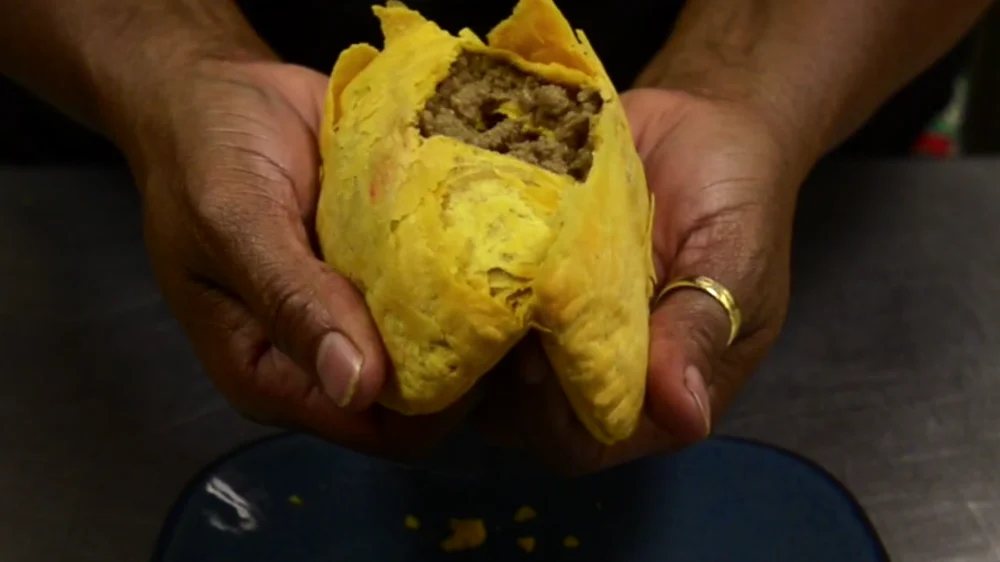
Patties occupy a different emotional lane. They are practical, affordable, and portable, but also nostalgic in a way few snacks manage. The flaky crust, the savory filling, the familiar heat level, all of it reads as reassurance. A beef patty with coco bread is one of the simplest satisfying meals in Jamaican food. It is not elaborate, and it does not need to be. On a busy afternoon, it solves hunger quickly. On a homesick day, it can do more than that.
Festival has a special talent for creating comfort around stronger flavors. Slightly sweet, fried until golden, and soft within, it tempers spicy meats and adds a sense of abundance to roadside meals. It is one of those items that often disappears first from the table because everyone underestimates how much they want it until they start eating.
Sweet comfort has its own place
Not all comforting Jamaican food is savory. Some of the most memorable moments come with spice bun, gizzada, grater cake, toto, or a slice of rum cake saved for company. These are not everyday foods in every household, but they occupy a serious emotional place.
Spice bun with cheese https://martinaxkg691.sagecurrent.com/posts/the-best-ways-to-experience-jamaican-food-authentically is a combination people outside the culture sometimes misunderstand until they try it. The sweetness of the bun, dense with dried fruit and spice, against the salty creaminess of processed cheddar creates a contrast that works far better than it sounds on paper. It is especially comforting with tea, and for many families it is inseparable from holiday or Easter memory.
Jamaican hot beverages deserve a mention too. A mug of bush tea, hot chocolate made from real cocoa balls, or a creamy cup of horlicks has settled many nerves and closed many long days. Jamaican-style hot chocolate, in particular, can be magnificent. It is less sugary and more grown-up than some commercial cocoa drinks, often spiced lightly and rich with true cocoa depth. It comforts without feeling childish.
Choosing the right dish for the occasion
Part of being fluent in Jamaican food is knowing which comfort dish fits the moment. Heavy, celebratory plates are not always the answer. A few broad instincts help.
When someone is tired, under the weather, or just not ready for a rich meal, soup or porridge often serves better than fried food. When the goal is to gather family and create a sense of occasion, rice and peas with a stewed or curried main has more emotional weight. For informal comfort, especially on the move, patties, jerk, and fried dumpling excel. And when the weather turns wet or cool, boiled provisions with a coconut-based dish can feel especially right.
The smartest hosts also think about stamina. Oxtail and curried goat impress, but they are costly and time-intensive. Brown stew chicken feeds more people economically and usually pleases a broader range of palates. Fish tea is excellent, but it is less likely to satisfy guests expecting a heavy meal. In real kitchens, comfort is always balanced against budget, time, and appetite.
Bringing that feeling into a home kitchen
Cooking comforting Jamaican food at home does not require chasing perfection on the first try. It requires understanding where the flavor really comes from. Fresh thyme matters. Scallion matters. Proper salting matters. Browning used carefully matters. Coconut milk, pimento, Scotch bonnet, and patience matter. Shortcuts can work, but the dish has to retain its center.
The biggest mistake I see from people trying to recreate Jamaican comfort dishes is rushing the base. They season the protein lightly, stew it too fast, or treat the aromatics like decoration. They are not. In Jamaican food, seasoning is architecture. If the onion, garlic, thyme, scallion, and pepper never truly enter the dish, the result will taste generic no matter how closely the recipe was followed.
A second common mistake is misunderstanding heat. Scotch bonnet is important, but Jamaican food is not a contest in suffering. In many dishes, the pepper should perfume the pot as much as it burns the tongue. Whole pepper can give fragrance and gentle heat. Chopped pepper makes a bolder point. Comfort usually lies in knowing the difference.
Finally, allow some dishes to rest. Soups settle. Stews deepen. Rice and peas often tastes better after it sits a little. That extra half hour can make the meal feel coherent rather than hurried.
Jamaican food comforts so powerfully because it was built for real life, for hunger, for celebration, for recovery, for Sunday, for rainy afternoon, for early morning before work, for late night after travel, for feeding one person well or stretching a pot across many plates. Its best dishes understand that flavor and care are inseparable. Whether the answer is a bowl of red peas soup, a plate of ackee and saltfish with breadfruit, brown stew chicken with rice and peas, or simply a hot patty in coco bread, the effect is the same. You feel looked after. That is the highest form of comfort any cuisine can offer.
Reggae Pot Jamaican Grill
2243 S Monaco St Pkwy #104
Denver, CO 80222
+1 720-410-2956
FAQ About jamaican food
What is the best Jamaican food to try in Denver?
The best choice depends on your tastes. Popular options include jerk chicken, curry goat, slow-cooked oxtail, and savory patties. Reggae Pot lists these dishes on its menu, with sides such as rice and peas and plantains. Ask the Denver team about current availability and spice levels.
Is Jamaican food very spicy in Denver?
Heat varies by dish and preparation. Jerk seasoning often includes scotch bonnet peppers alongside herbs and allspice, while other dishes may have gentler seasoning. Ask about the heat of the specific dish and any sauce before ordering.
What are some popular Jamaican snacks?
Jamaican patties are a popular snack made with flaky pastry and savory meat or vegetable fillings. Other options include fried dumplings and festival, a sweet fried dough often served with savory dishes. Availability varies, so check the current menu when ordering.